
Blog
Product updates, guides, and ideas for teams building with clarity.
More from the blog
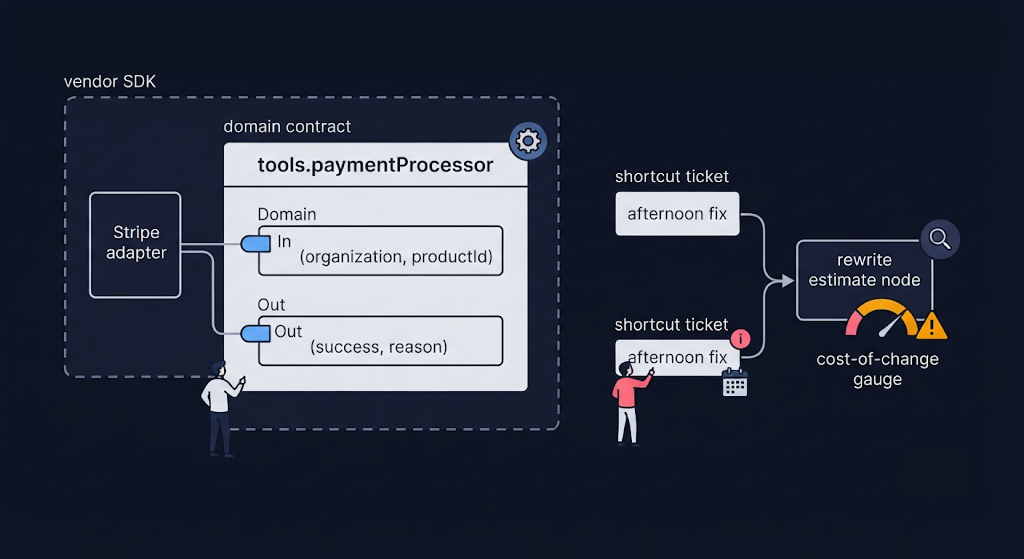 The Most Expensive Architectural Decisions Are the Ones You Don't Realize You're Making
 The Most Expensive Architectural Decisions Are the Ones You Don't Realize You're Making
Costly architecture decisions rarely look like decisions. They look like shortcuts. Here's how to spot them early, pay for optionality on purpose, and keep vendor SDKs out of your domain.

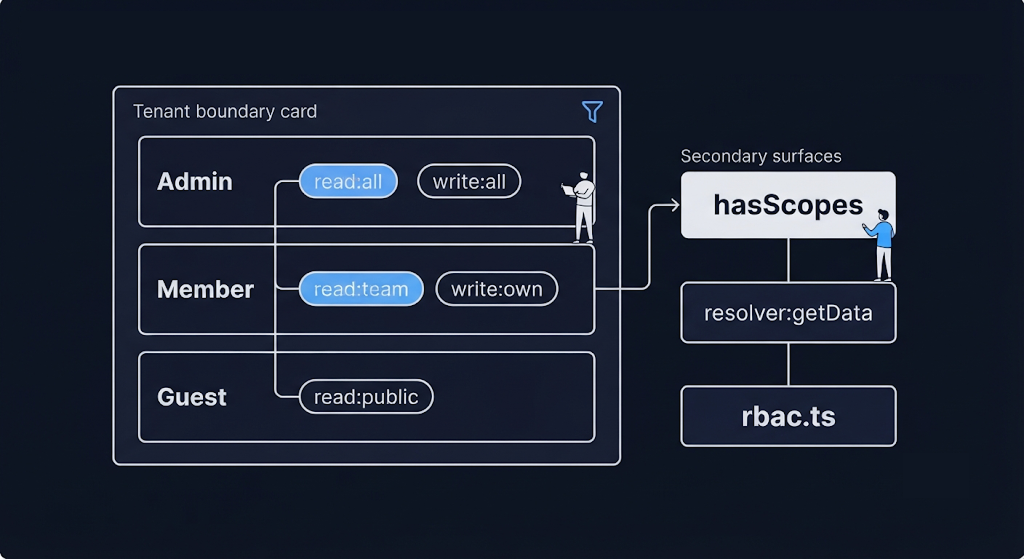 Multi-Tenant RBAC in TypeScript: Schema, Boundaries, and Migration Safety
 Multi-Tenant RBAC in TypeScript: Schema, Boundaries, and Migration Safety
Multi-tenant RBAC in TypeScript needs more than a role string on the user row. This piece covers shared-schema tenancy, scope-based permissions, GraphQL middleware boundaries, Redis cache keys by product and role, and migration-safe rollout when you add scopes or roles.
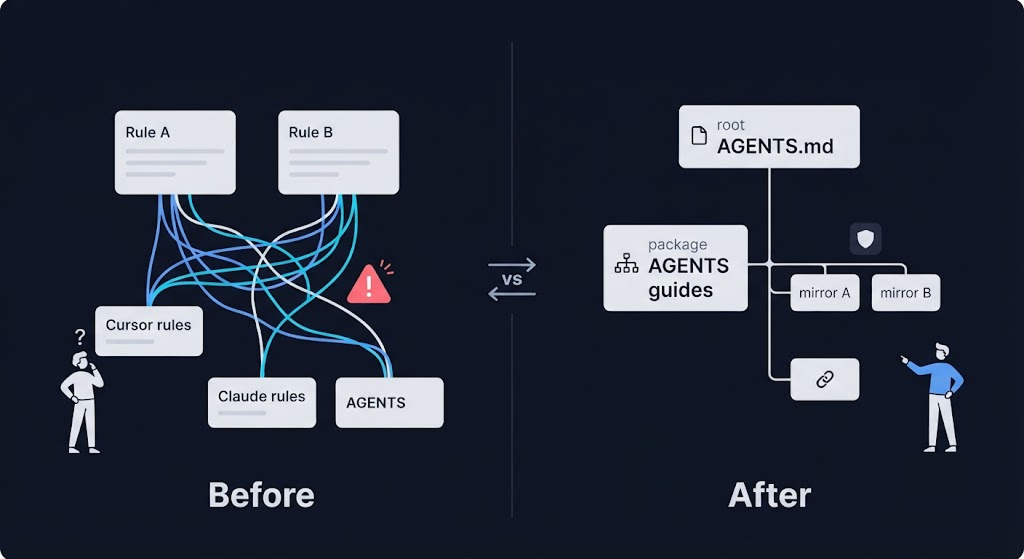 How We Implemented AGENTS.md in a Production TypeScript Monorepo
 How We Implemented AGENTS.md in a Production TypeScript Monorepo
One file to rule agent guidance
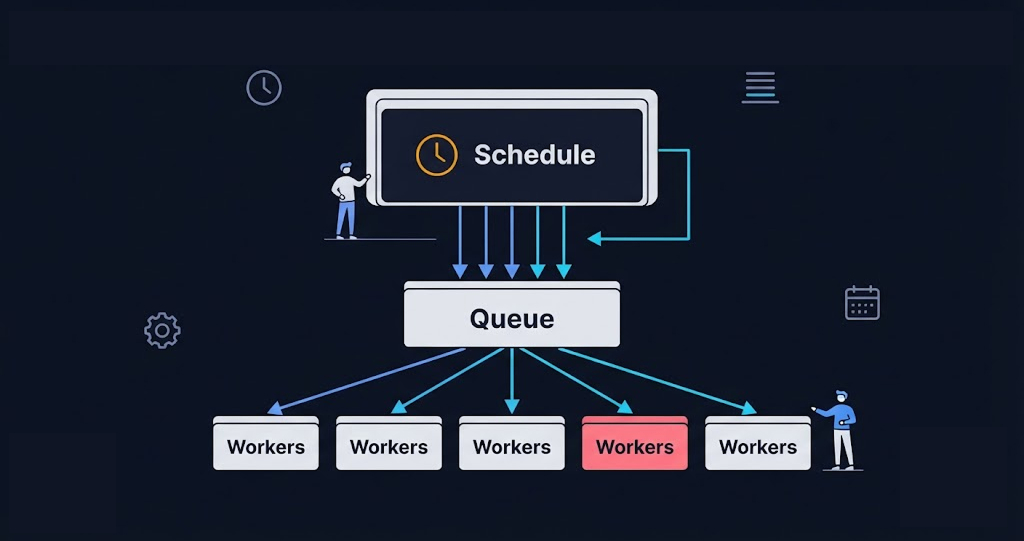 Pluggable scheduler tooling: one clock, one contract
 Pluggable scheduler tooling: one clock, one contract
Recurring work becomes difficult to maintain when scheduling logic is mixed with business logic. A dedicated scheduler boundary keeps time-based triggers declarative, predictable, and easy to evolve without rewriting application code.
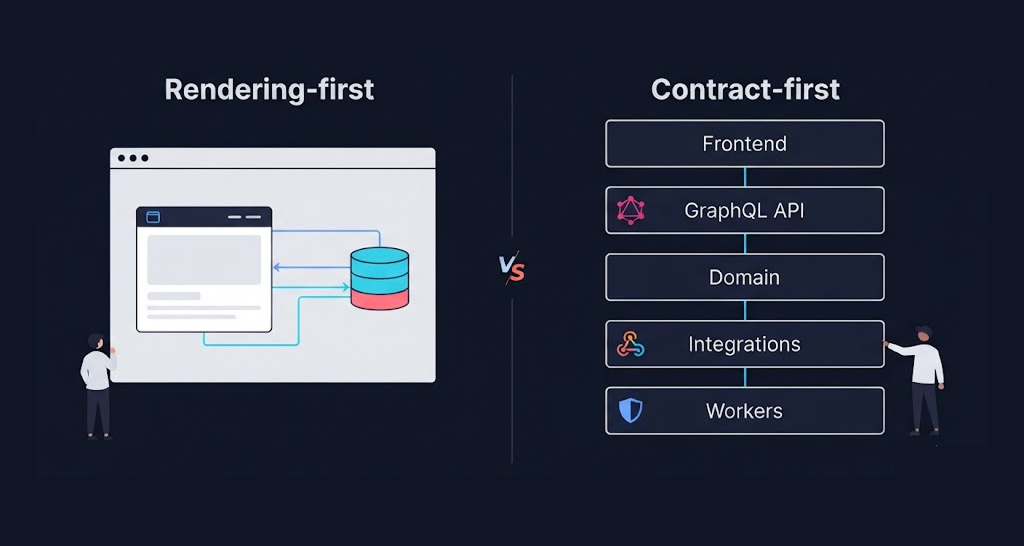 Why Refract Uses Apollo GraphQL Instead of Next.js
 Why Refract Uses Apollo GraphQL Instead of Next.js
Next.js dominates SaaS boilerplate lists by default, not by universal fit. Here's a practical checklist for choosing between rendering-forward and contract-forward architecture, and why a GraphQL contract surface pays off as billing, entitlements, and agent access grow more complex.
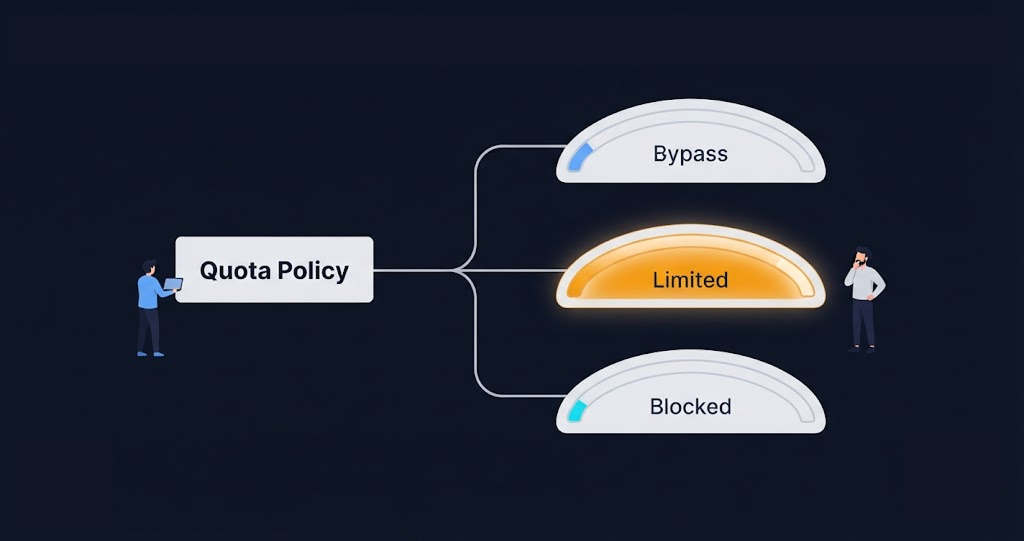 Product limits: scoped quotas and usage metering
 Product limits: scoped quotas and usage metering
Most SaaS quota systems start as a counter column and break the moment plans diverge. Here's how Refract separates authorization from usage metering, enforces quotas through one concurrency-safe wrapper, and keeps billing policy out of application code entirely.