
Blog
Product updates, guides, and ideas for teams building with clarity.
More from the blog
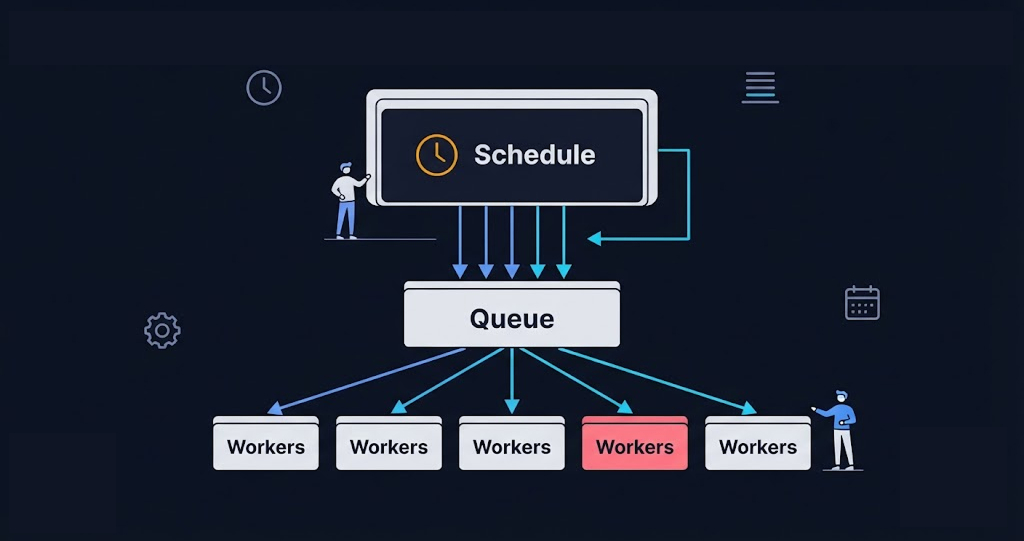 Pluggable scheduler tooling: one clock, one contract
Recurring work becomes difficult to maintain when scheduling logic is mixed with business logic. A dedicated scheduler boundary keeps time-based triggers declarative, predictable, and easy to evolve without rewriting application code.

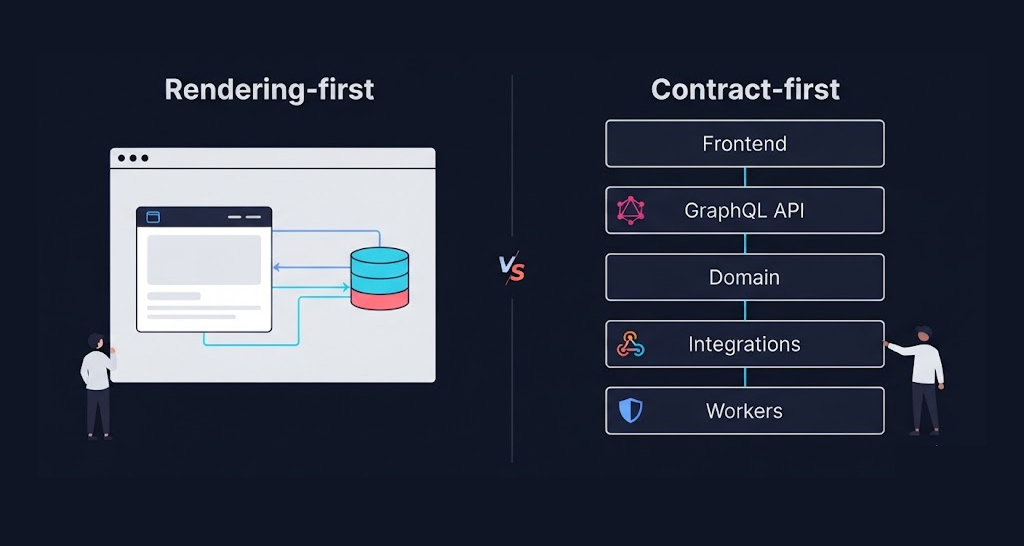 Why Refract Uses Apollo GraphQL Instead of Next.js
Next.js dominates SaaS boilerplate lists by default, not by universal fit. Here's a practical checklist for choosing between rendering-forward and contract-forward architecture, and why a GraphQL contract surface pays off as billing, entitlements, and agent access grow more complex.
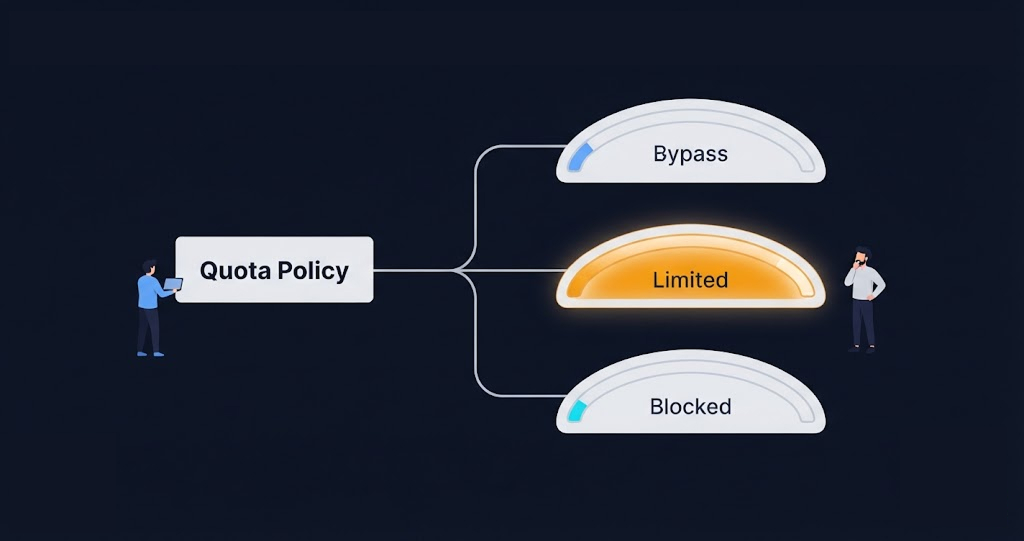 Product limits: scoped quotas and usage metering
Most SaaS quota systems start as a counter column and break the moment plans diverge. Here's how Refract separates authorization from usage metering, enforces quotas through one concurrency-safe wrapper, and keeps billing policy out of application code entirely.
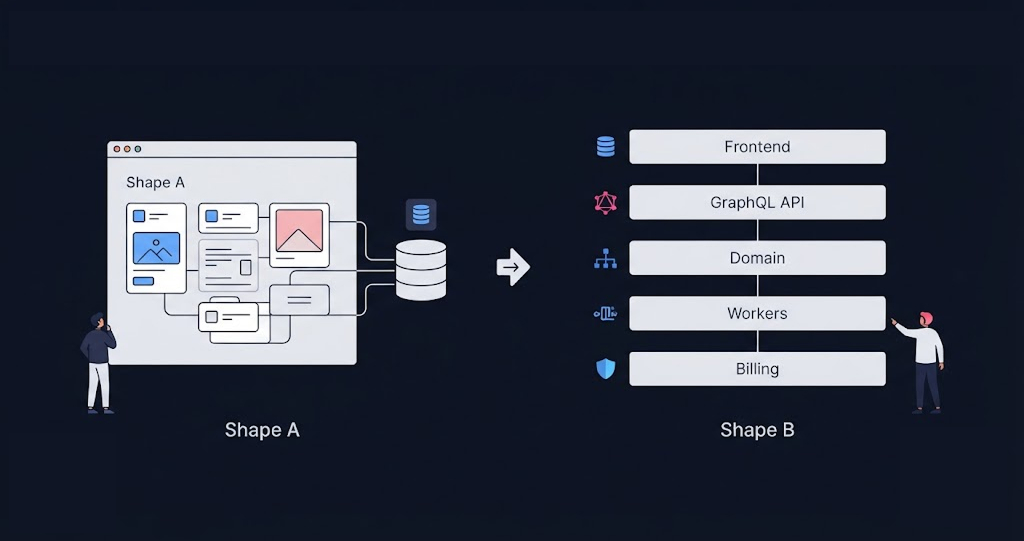 Why I Chose a Node.js Monorepo Over Next.js for a TypeScript SaaS Boilerplate
Most SaaS founders default to Next.js, but the real architectural decision isn't the framework—it's the product shape. Here's how to recognize when a split Node.js backend pays for itself before technical debt compounds.
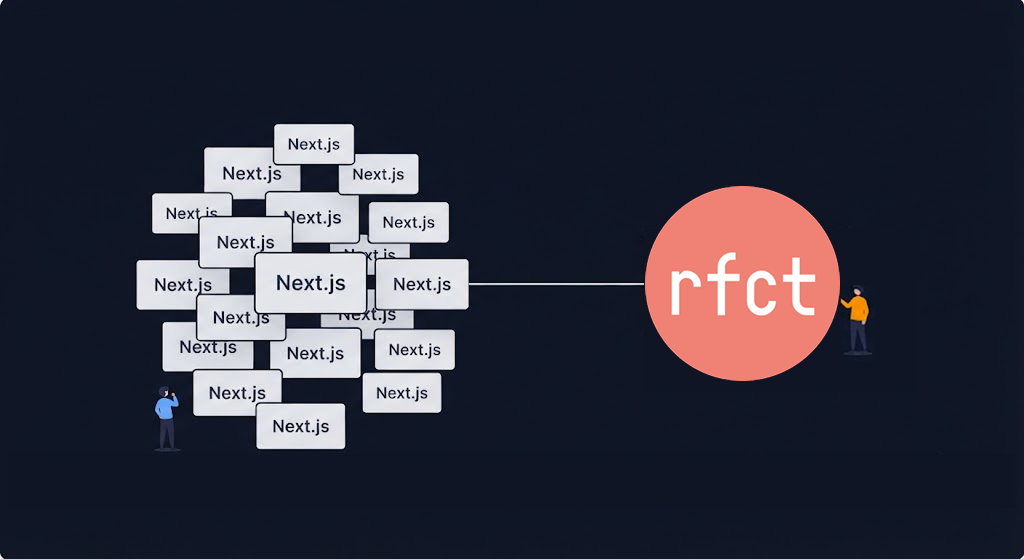 Apollo GraphQL SaaS Boilerplate 2026: The Actual Shortlist
Most "best SaaS boilerplate" lists are Next.js-first by default, not by merit. Here's an honest audit of what Apollo GraphQL TypeScript starters actually offer in 2026, and how to test maintenance health before you fork one.
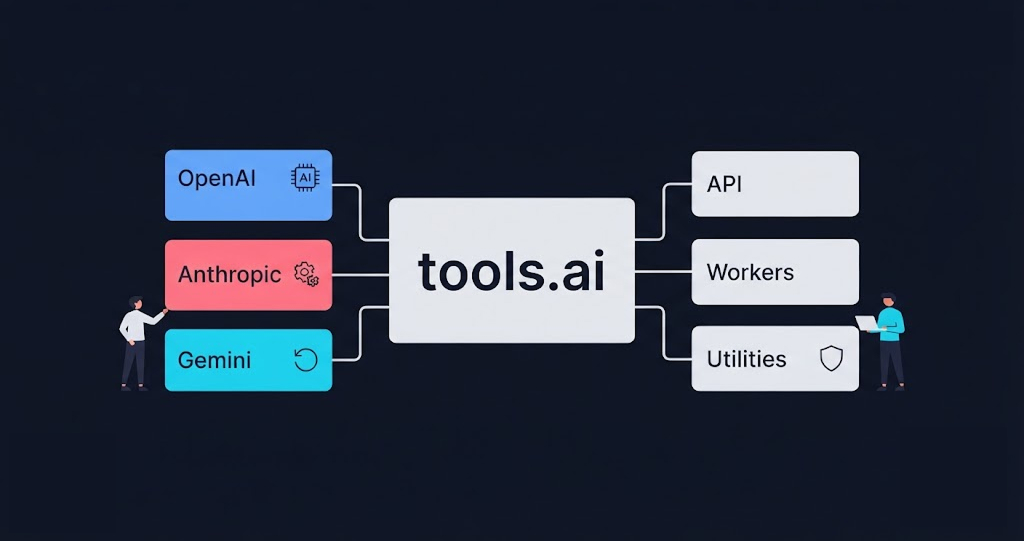 Pluggable AI tooling: three providers, one contract
Importing an AI SDK directly into product code feels fast until providers, models, and pricing inevitably change. A small abstraction layer keeps infrastructure isolated so swapping vendors becomes configuration instead of a refactor.